How to Get Planning Permission for a New House in the Country
Securing planning permission for a new house in a rural location can feel like a daunting process, but with careful design and a considered approach, success is achievable. We are delighted to share that we recently secured approval for a new dwelling in the countryside, with a strong fallback option enhancing the project’s resilience.
Within planning rules, there is something called the “fallback position.” Based on an historic legal case, it allows for a brand new dwelling to be approved if it can be proven that it will have less visual impart and is a more sustainable option to the conversion of an existing agricultural building.
Class Q permitted development rights have provided a way of changing the use of existing agricultural buildings to residential since they were introduced in 2013. But often the buildings are not really suitable for such a use, on account of their size or appearance. So a new build dwelling can be a much better option.
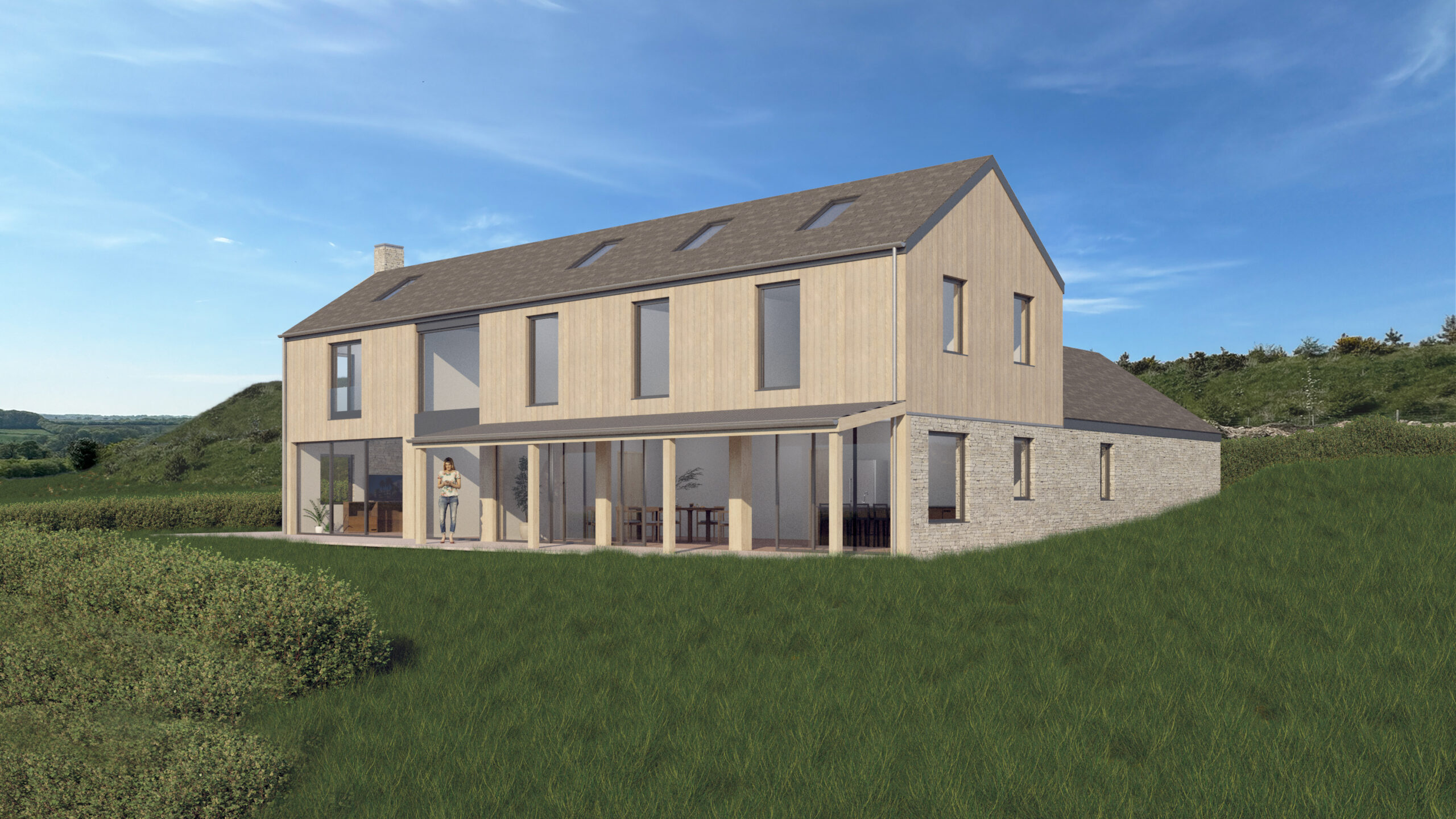
In this case, the fallback route gave confidence that a new dwelling could be delivered, but our planning approval goes further: it provides a permanent, well-designed new house in a more suitable location than the original Class Q building.
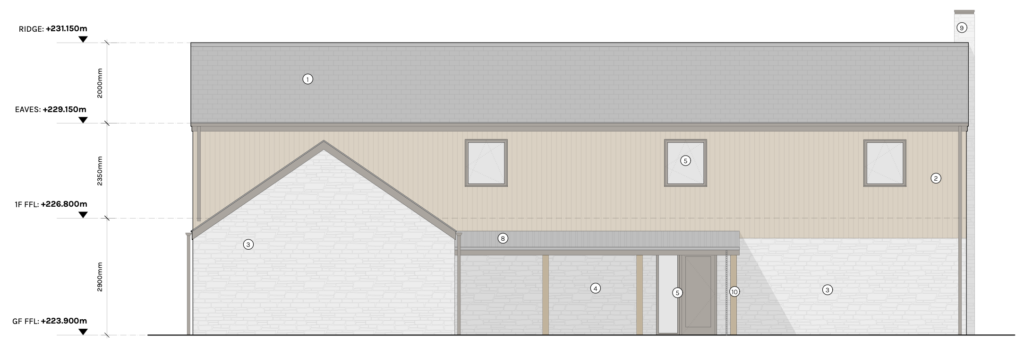
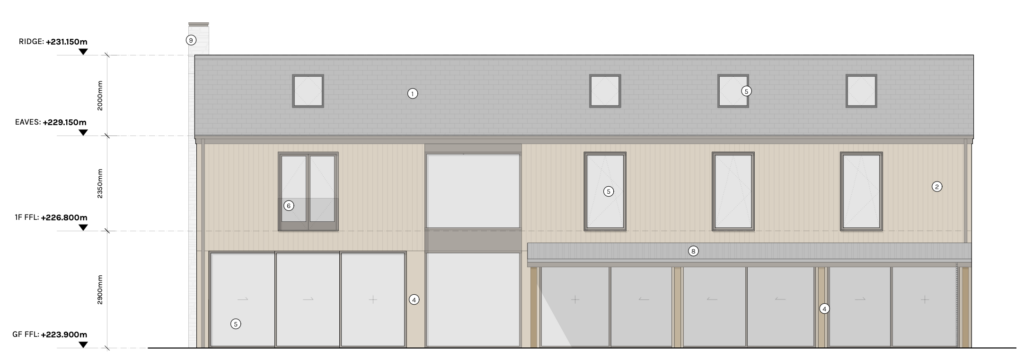
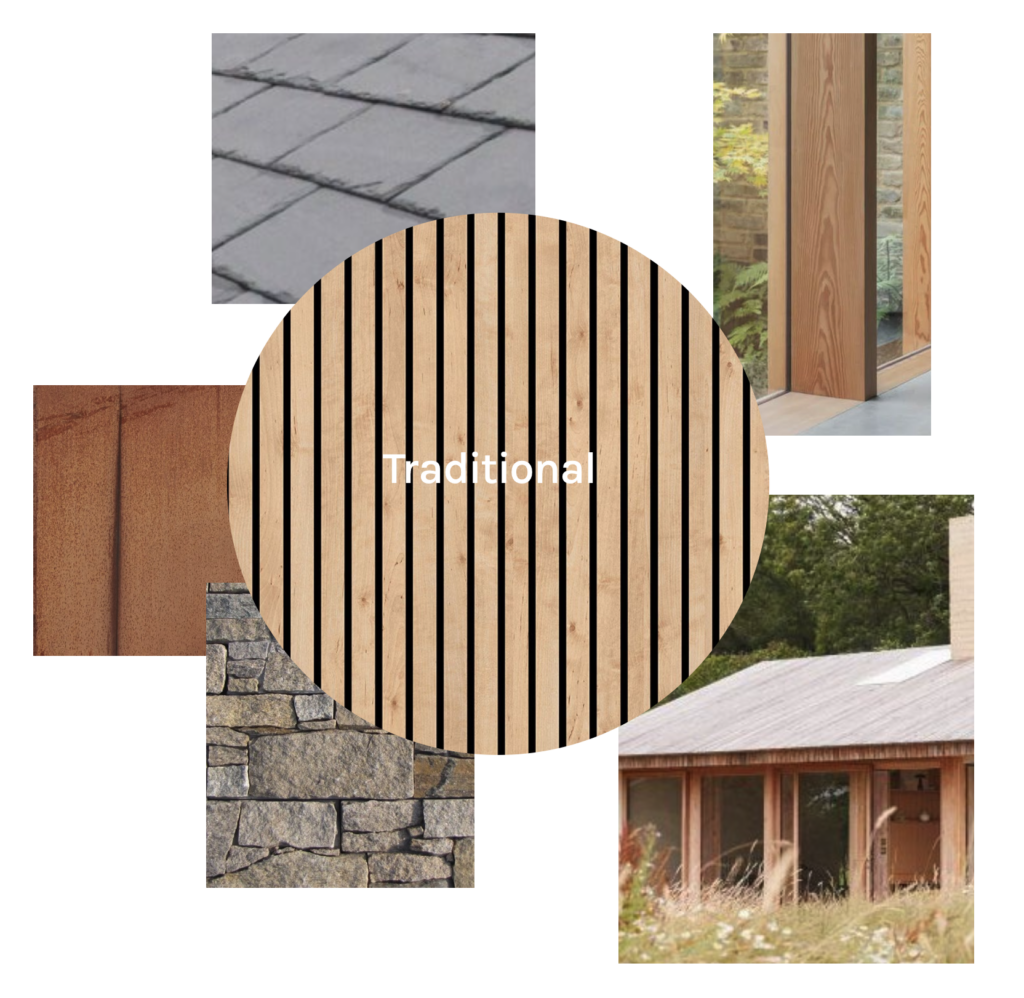
Several key factors contributed to the success of our application: the design respects the vernacular of the local area, using traditional forms and materials that complement the agricultural context. This was proven by the fact that there was no challenge to our design during the planning application. Because it was well considered.
The layout and massing were carefully explored to minimise visual impact, preserving the character of the landscape and maintaining visual protection for neighbouring properties and important viewpoints. By responding thoughtfully to the rural setting, the proposal demonstrated that it would enhance rather than detract from the local area.
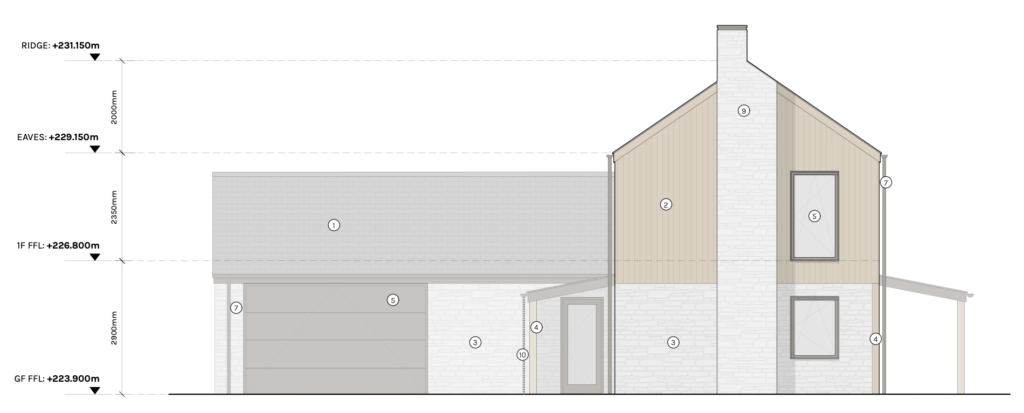
Importantly, our approved dwelling is sited in an alternative position compared to the Class Q permission. This allows the building to fit more naturally within the landscape, improves access and orientation, to maximise the enjoyment of the fine countryside views for the occupants.
This project highlights that, even in sensitive, isolated rural locations, planning permission for a brand new house, without an agricultural tie, is achievable. As long as it is based on a well-reasoned design, respect for local context and clear consideration of fallback options. If you’re considering a new house in the countryside, using the “fallback strategy” can be the way to success. Prioritising thoughtful design can make all the difference. You just need the right Architects!