

Class Q, Farm Diversification and Inheritance Planning: Opportunities for Agricultural Landowners
For UK farmers and agricultural landowners, the pressure on traditional farming income has never been greater. Rising costs, changing subsidy regimes and uncertainty around inheritance tax are forcing many families to rethink how their land and buildings are used.
The good news is that planning policy offers real opportunities — particularly through Class Q permitted development rights and well-structured farm diversification schemes. When approached strategically, these routes can help unlock value, generate income and support long-term succession planning.
What Is Class Q and Why Does It Matter?
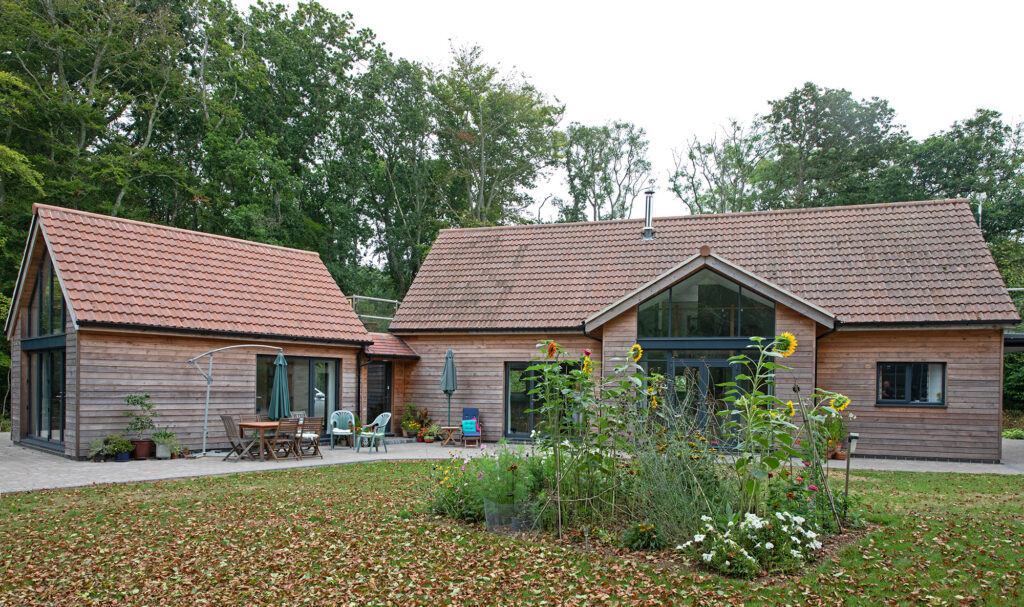
Class Q permitted development allows certain agricultural buildings to be converted into residential dwellings without the need for a full planning application. For many landowners, this represents one of the most straightforward ways to realise value from redundant farm buildings.
Under Class Q, it may be possible to:
- Convert up to five agricultural buildings
- Create up to 1,000 sqm of residential floorspace
- Deliver new homes from barns, stores or sheds that are no longer essential to farming operations
Class Q can be particularly attractive because it:
- Reduces planning risk compared to a full application
- Offers faster determination times
- Can significantly increase the value of existing assets
However, success depends on careful assessment. Building condition, agricultural use history, access, flood risk and design all play a role. Early advice is often the difference between approval and refusal.elp you test your ideas against reality early on — saving money and stress later.
Farm Diversification: Creating Resilient Rural Income
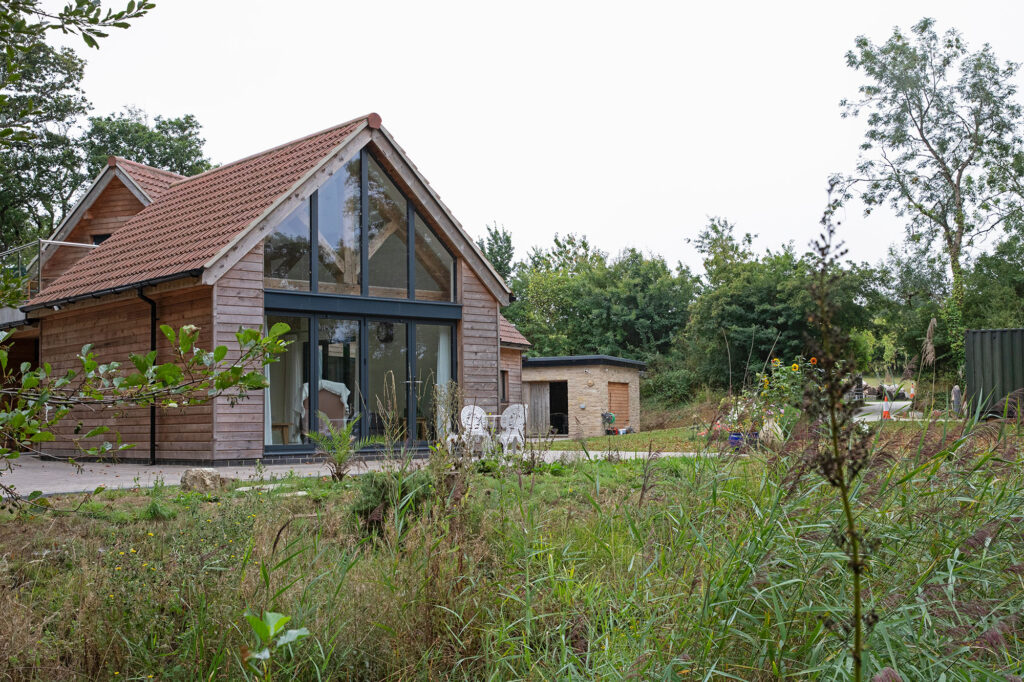
Farm diversification is now a central part of many successful agricultural businesses. National and local planning policies generally support sustainable rural diversification, particularly where it strengthens the long-term viability of a working farm.
Common diversification opportunities include:
- Holiday lets and short-term accommodation
- Conversion of barns into offices or small business units
- Farm shops, cafés and local food enterprises
- Storage, light industrial or equestrian uses
In many cases, diversification can begin using permitted development rights, then evolve into more comprehensive planning permissions as demand grows. A well-planned diversification strategy can:
- Provide reliable supplementary income
- Spread financial risk
- Make better use of underutilised land and buildings
- Support younger generations staying on the farm
Inheritance Tax and the Importance of Planning Ahead
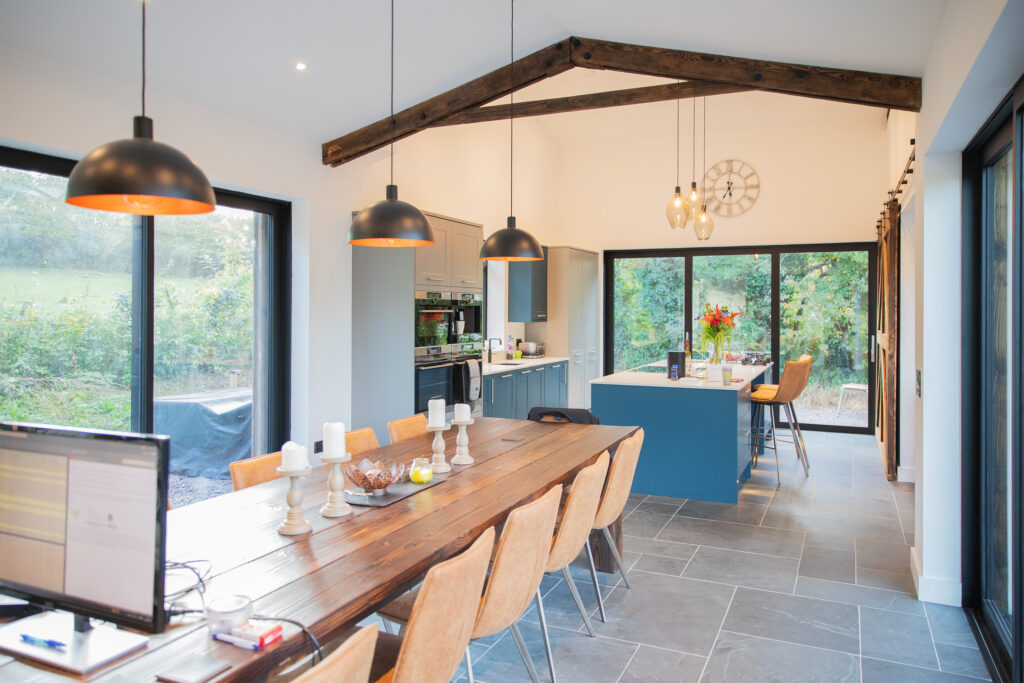
Inheritance tax is an increasing concern for farming families, particularly where land values are high and succession planning is complex.
While specialist tax and legal advice is essential, planning decisions can directly influence how an estate is structured and valued. For example:
- Converting agricultural buildings to residential use may alter asset classification
- Diversified enterprises can create distinct income streams or business units
- Securing development rights can change long-term options for the holding
The key is not to wait until decisions are forced. Understanding what is achievable through planning allows landowners to make informed, proactive choices that align with family and business goals.
A Strategic, Joined-Up Approach Works Best
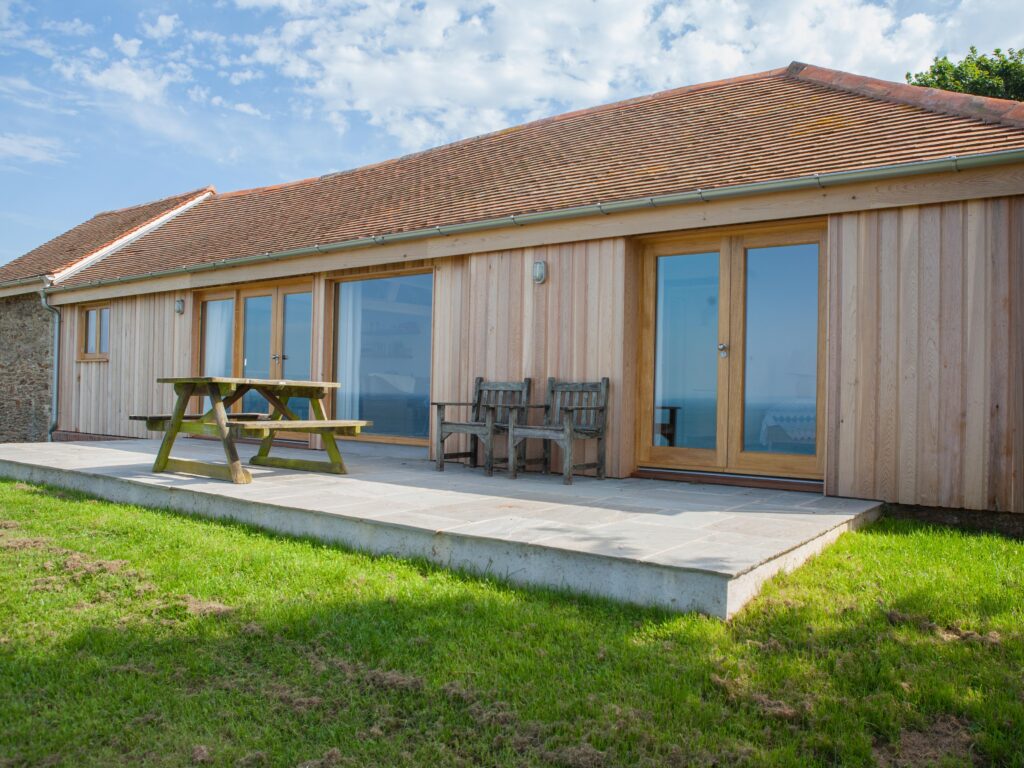
The most successful rural projects take a strategic, long-term view, combining planning expertise with an understanding of agriculture, design and family succession.
Key questions worth considering include:
- Which buildings are genuinely redundant to farming?
- What type of development best supports the future of the holding?
- How can today’s planning decisions protect flexibility for the next generation?
Even if development is years away, clarity now creates confidence later.
Speak to a Rural Planning Specialist
If you own agricultural land or farm buildings and are considering Class Q conversions, farm diversification, or how planning may affect inheritance and succession, early advice can save time, cost and frustration.
A professional appraisal can:
- Identify realistic development opportunities
- Assess Class Q eligibility
- Highlight planning risks before they become problems
- Help you plan with confidence for the future
If you’d like to discuss the potential of your land or buildings, get in touch for an initial, no-obligation conversation. Understanding your options today could make all the difference tomorrow.