
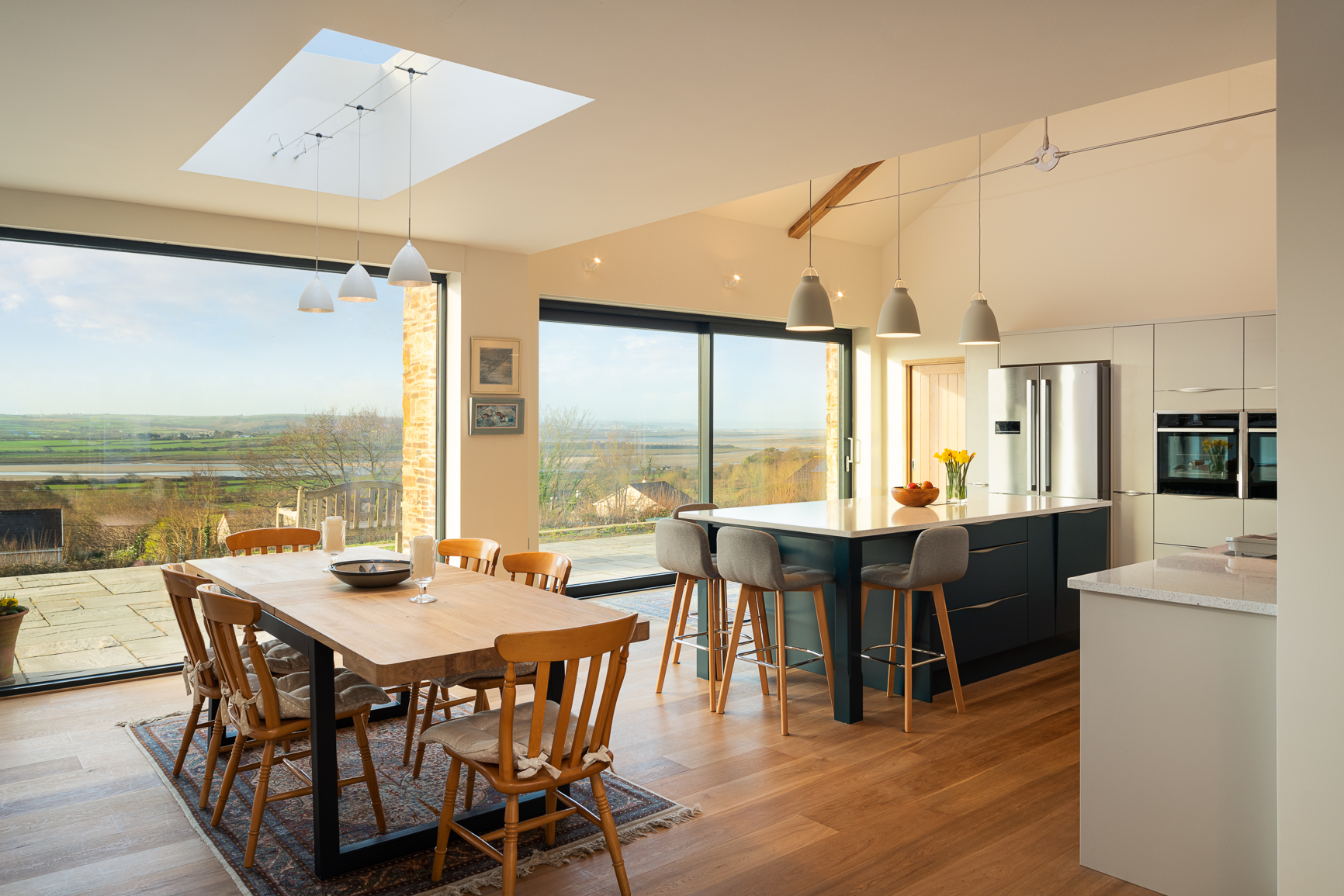
Design Trends We’re Seeing in 2026: Insights from Peregrine Mears Architects Ltd
As we move through 2026, we’ve noticed a clear shift in what clients value in their homes. While aesthetics remain important, conversations are increasingly centred around performance, longevity and how homes support evolving lifestyles. The following themes have emerged consistently across our recent projects and reflect a broader movement towards more thoughtful, adaptable and enduring residential architecture.
Warmer, Grounded Material Palettes
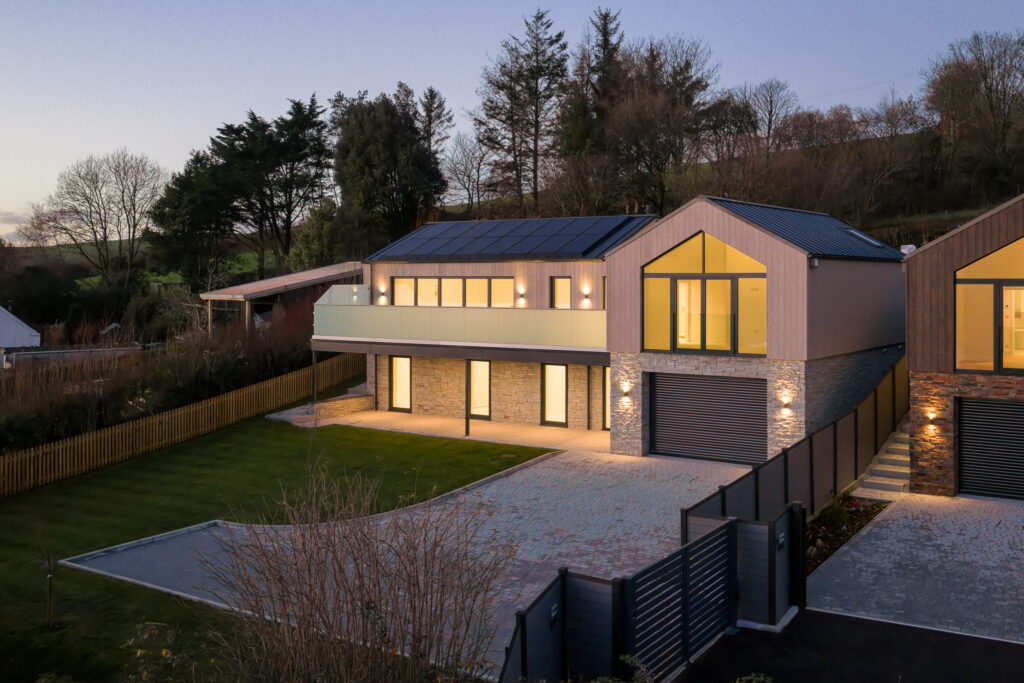
The cool greys and stark minimalism of previous years are giving way to warmer, more tactile palettes. Clients are gravitating towards clay tones, muted greens, chalky off-whites and soft earthy neutrals that create a sense of calm and permanence.
Externally, materials are selected for their authenticity and longevity. Textured brickwork, lime-based render, natural stone and timber cladding provide depth and variation, allowing buildings to sit comfortably within their surroundings. Rather than relying on contrast, these palettes use tonal layering to achieve a more subtle and cohesive architectural expression.
Internally, natural finishes continue to dominate. Exposed timber elements, breathable wall finishes, and durable flooring materials reflect a desire for spaces that feel robust, healthy and designed to age well.
Multi-Generational and Flexible Living
One of the most notable changes we’ve observed is the growing need for flexibility within the home. Multi-generational living is increasingly common, whether accommodating older relatives, returning adult children or providing space for long-term guests.
Ground-floor bedrooms with accessible shower rooms are now a frequent requirement, even where they may not be immediately needed. In larger homes, annex-style accommodation or semi-independent zones allow families to live together while maintaining privacy.
The dedicated home office has also become a permanent feature. Rather than improvised solutions, clients are seeking well-proportioned workspaces with good natural light, acoustic separation and integrated storage.
Adaptability is central to these decisions. Spaces are designed to evolve over time, ensuring that homes remain functional and relevant as circumstances change.
Simpler Forms and Controlled Complexity
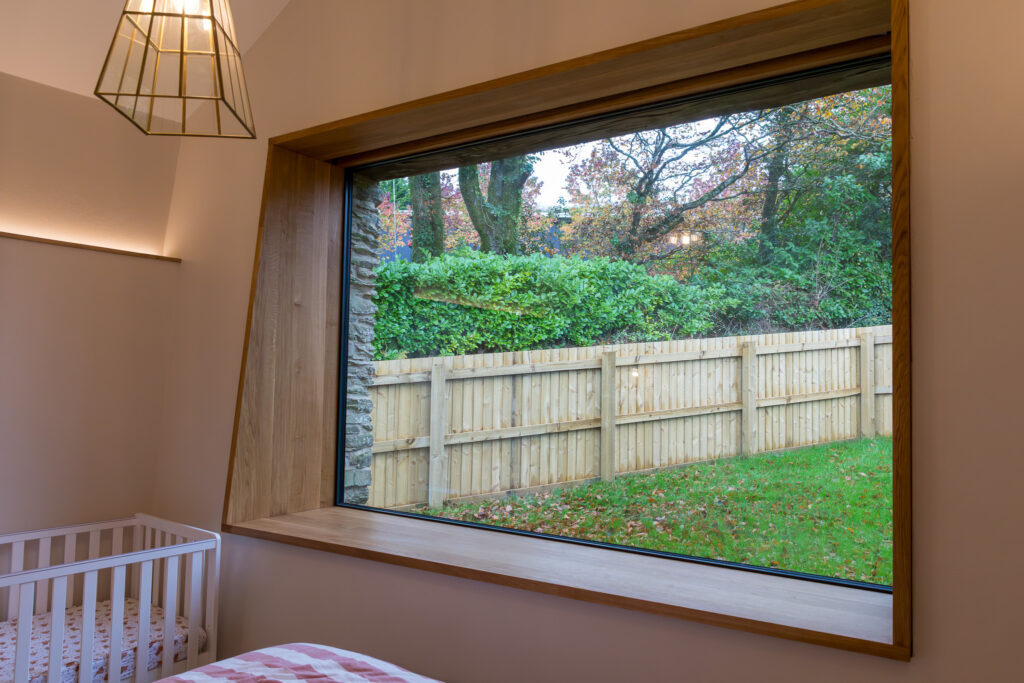
We are seeing a clear move towards simpler, more disciplined building forms. Complex roof geometries and excessive articulation are being replaced with cleaner lines and more carefully considered proportions.
This approach improves construction quality, supports better thermal performance and ensures long-term durability. Architectural interest is achieved through well-composed openings, deep reveals and careful detailing rather than unnecessary complexity.
In addition to improving performance, simpler forms often age more gracefully, reinforcing the longevity of the architecture.
Performance as Standard, Not Upgrade
Performance expectations have increased significantly. Clients are more informed and increasingly expect excellent thermal performance, low energy demand and high levels of comfort as standard.
Fabric-first principles remain fundamental, with careful attention given to insulation continuity, airtightness and glazing design. Mechanical ventilation with heat recovery, solar photovoltaic systems and energy monitoring technologies are becoming commonplace.
Alongside energy performance, acoustic comfort and indoor air quality are also key considerations. These factors contribute to homes that are not only efficient, but healthier and more comfortable to live in.
Greater Emphasis on Daylight and Connection to Outside
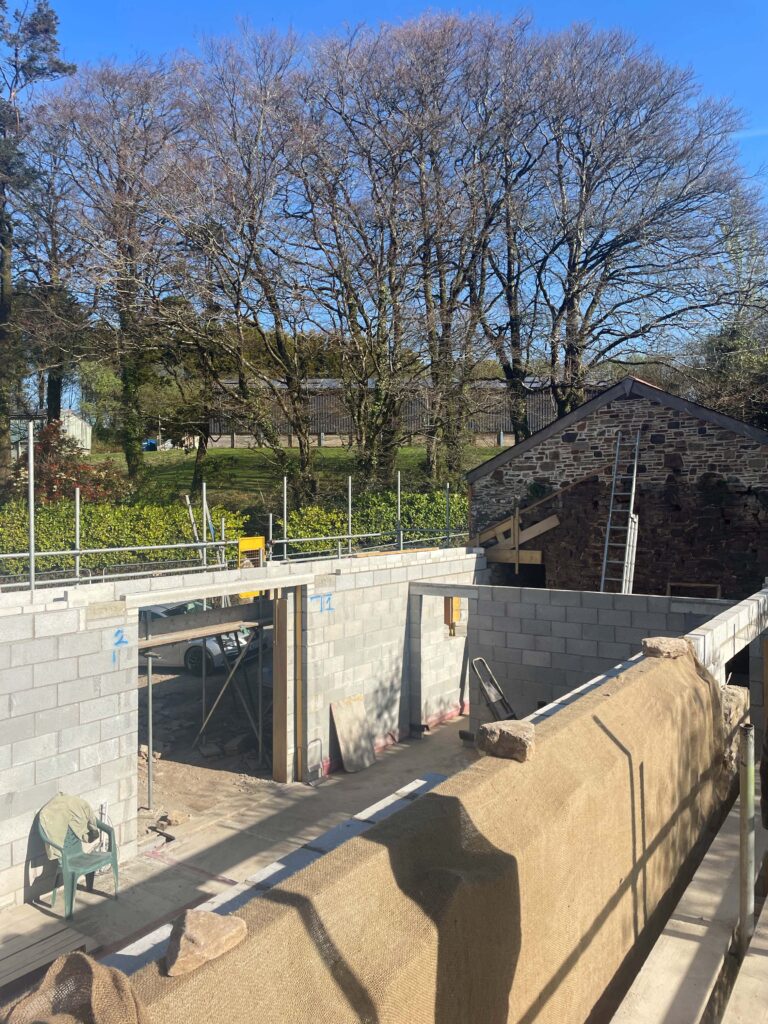
Natural light remains one of the most important drivers of residential design. We are seeing more careful consideration of how daylight enters and moves through the home, with glazing positioned to frame views and bring light deep into interior spaces.
Connections to outdoor areas are equally important. Covered terraces, recessed openings and sheltered thresholds create a gradual transition between inside and outside, extending the usable living environment and strengthening the relationship with the landscape.
These moves enhance both the quality and usability of the home throughout the year.
Longevity, Robustness and Low Maintenance
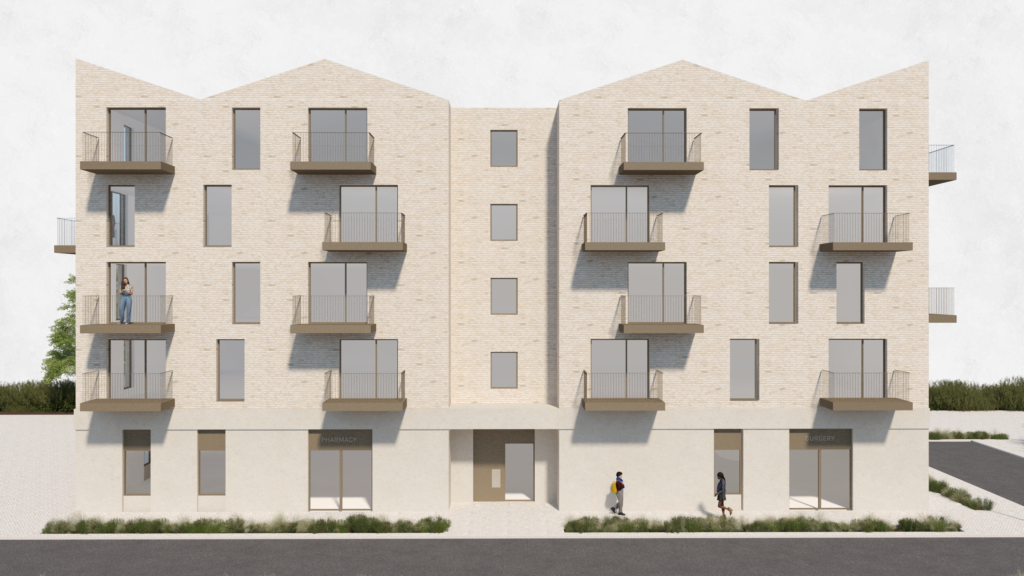
Clients are increasingly focused on long-term durability. Material selection and detailing are guided by how buildings will perform and weather over decades, rather than short-term visual impact.
Robust, self-finishing materials such as brick, stone and timber are favoured for their longevity and minimal maintenance requirements. Details are simplified to reduce potential points of failure and ensure lasting performance.
This reflects a broader shift towards architecture that is resilient, adaptable and designed with a long-term perspective.
Looking Ahead
The defining characteristic of residential architecture in 2026 is a focus on substance. Homes are expected to perform well, adapt to changing needs and provide lasting quality. Aesthetic decisions are closely aligned with performance, context and longevity.
This represents a positive direction for architecture — one that prioritises thoughtful design and enduring value.
If you are considering a new home or adapting an existing property, we would be happy to discuss how these principles could be applied to your project. Please contact Peregrine Mears Architects to arrange an initial consultation.
We believe that well-designed buildings should not only respond to their setting, but continue to support and enrich the lives of those who use them for many years to come.